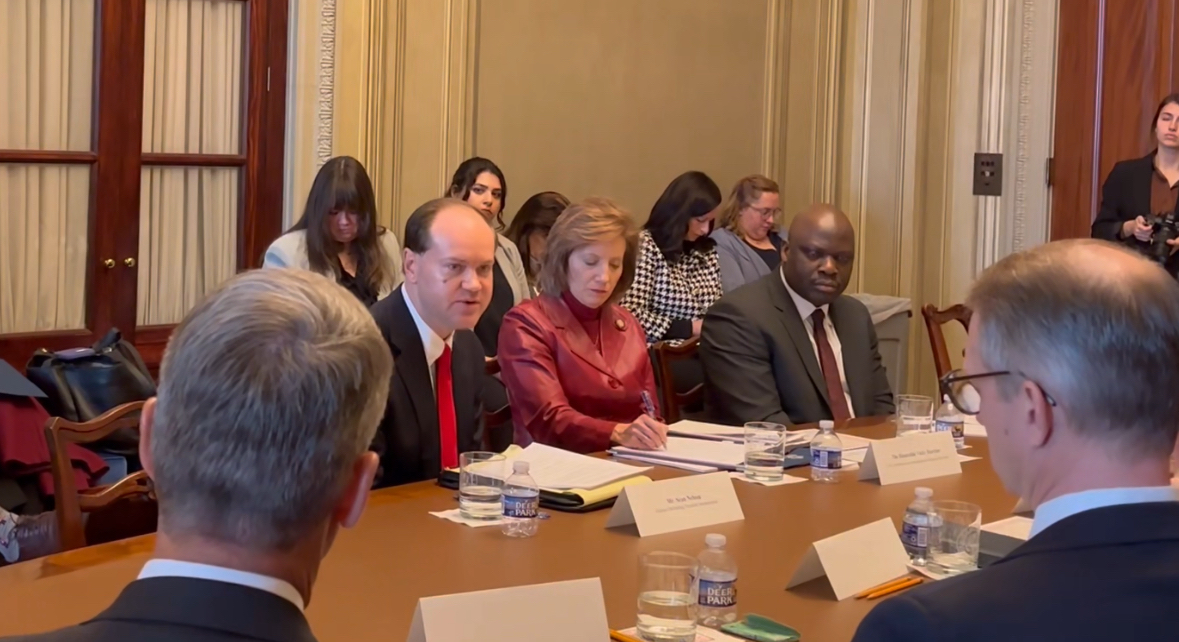


The United States House Appropriations Committee has publicly reaffirmed America’s commitment to confronting religious persecution worldwide, with a renewed focus on Nigeria. In a statement released via its official X account, the committee emphasized that the United States “will not look away as innocent lives are stolen,” underscoring religious freedom and atrocity prevention as central priorities within its National Security and Related Programs (NSRP) legislation.
The statement followed an on-the-ground assessment mission to Nigeria by a delegation of U.S. lawmakers led by Riley Moore, acting under the direction of Donald Trump. The visit was formally confirmed by Nigeria’s National Security Adviser, Nuhu Ribadu, who stated that the engagement aimed to strengthen counter-terrorism cooperation, promote regional stability, and reinforce the strategic security partnership between Nigeria and the United States.
Findings from Benue State
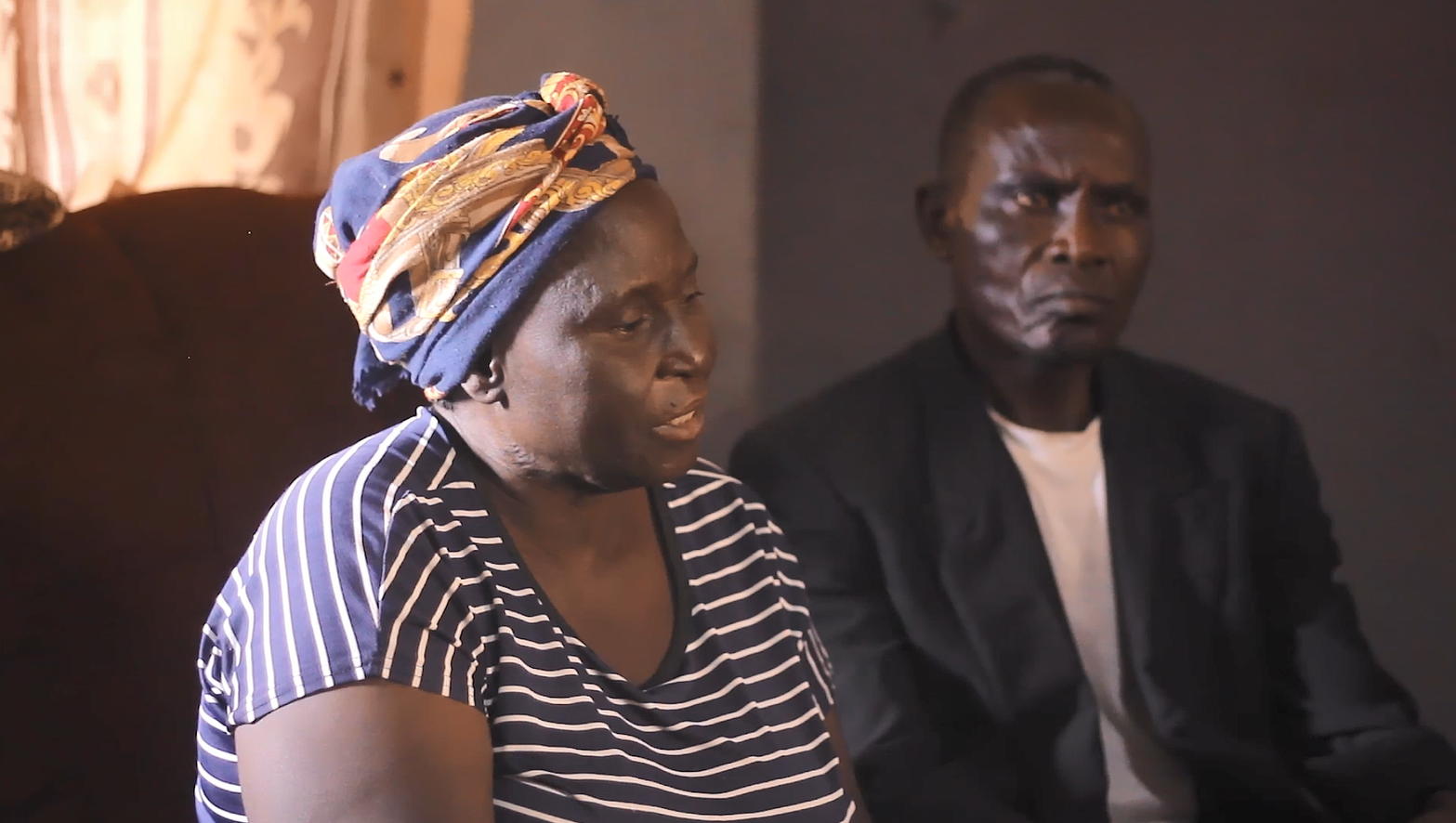
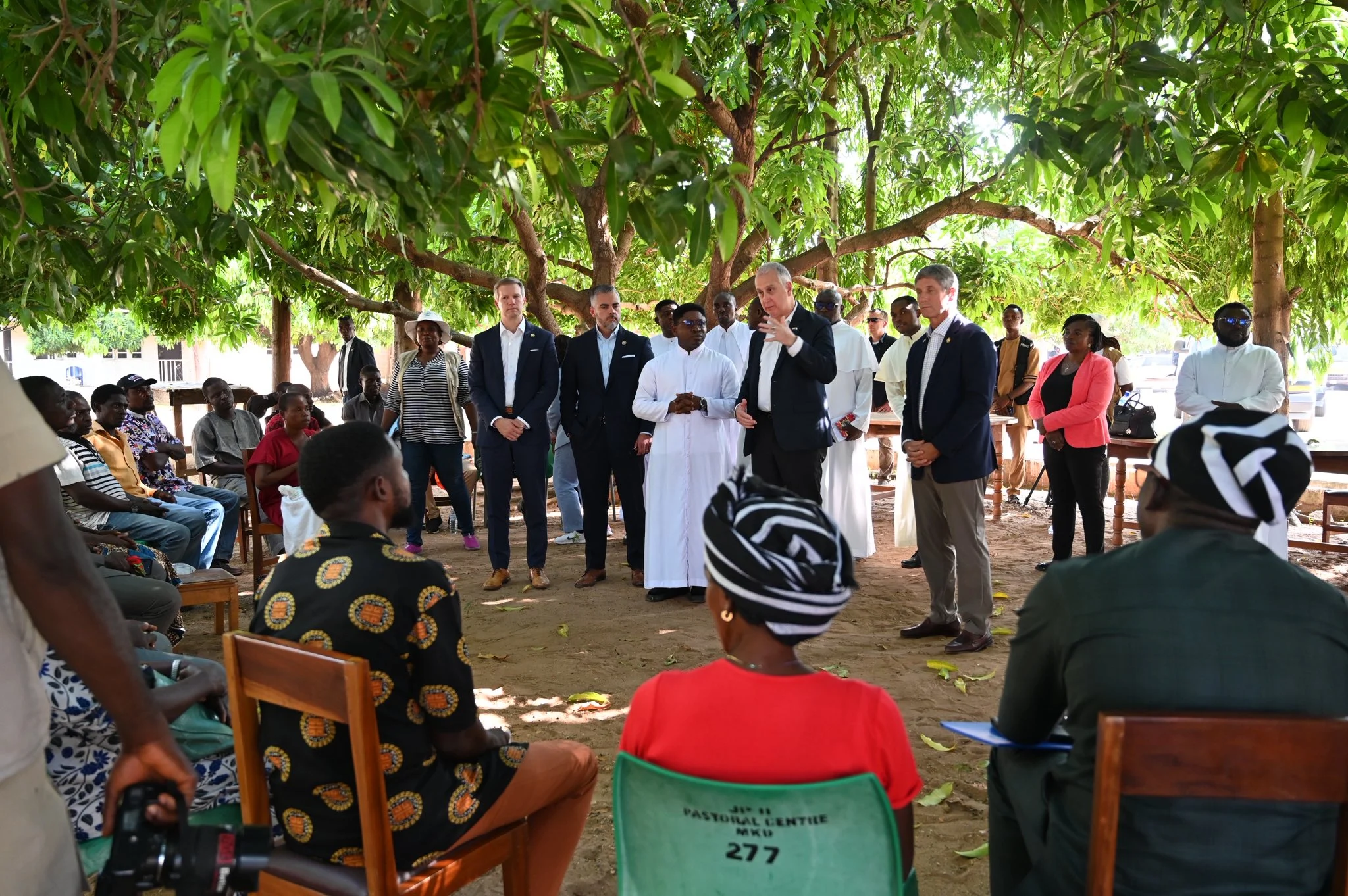
During the visit, Congressman Moore traveled to Benue State, where he met with Tiv community leaders, Catholic clergy, and residents of internally displaced persons (IDP) camps. He described the testimonies he received as deeply traumatic and unforgettable.
According to Moore, victims recounted extreme violence, including the murder of entire families, attacks on pregnant women, and life-altering injuries sustained during assaults on their communities. He stated that these accounts point to a humanitarian emergency unfolding in the Middle Belt region.
Moore estimated that more than 600,000 Christians are currently living in IDP camps across Benue State, a region that has endured years of violent attacks linked to armed groups and communal conflict. He stressed that displaced Christians should be able to live safely in their ancestral lands without fear and called for sustained international attention to the crisis.
Engagement with Religious and Traditional Leaders
The U.S. delegation also met with prominent leaders, including Bishop Wilfred Anagbe, Bishop Isaac Dugu, and James Ioruza, the traditional ruler of the Tiv people. Moore described these meetings as “an honour and deeply moving,” noting that discussions focused on the persistent violence facing Christian communities in the region.
In public reflections shared on X, Moore described conditions in the IDP camps as harrowing, stating that he met dozens of Christians who had been violently displaced from their homes and now live under severe humanitarian strain.
Security Cooperation and Diplomatic Context
Moore noted that discussions with Nigerian authorities, including Ribadu, addressed terrorism in the North-East and ongoing killings in the Middle Belt—issues he identified as priorities for both U.S. leadership and Nigerian partners. He commended Nigerian security forces for the rescue of more than 100 abducted Catholic schoolchildren and welcomed what he described as an emerging joint task force between Nigeria and the United States.
However, he emphasized that dialogue must translate into measurable action, adding that significant work remains to address insecurity and protect vulnerable communities.
The delegation’s visit comes amid heightened diplomatic engagement following the U.S. administration’s redesignation of Nigeria as a Country of Particular Concern over alleged religious freedom violations. While Nigerian authorities continue to reject claims of systemic persecution, insisting that insecurity affects all citizens regardless of faith, international scrutiny has intensified.
Earlier engagements included Ribadu’s visit to the Pentagon for high-level security discussions and a public hearing by the U.S. House Subcommittee on Africa examining the implications of Nigeria’s redesignation.
Media Church Perspective
Media Church Network views this development as a critical moment for truth-telling, accountability, and sustained advocacy on behalf of persecuted Christian communities in Nigeria. Continued international engagement, transparent reporting, and concrete protective action remain essential to safeguarding lives and preserving religious freedom.